What goes into the price
There are two main buckets: materials and labor. Materials typically account for 40 to 60 percent of the total. Labor makes up the rest. Both vary significantly by region, by season, and by job complexity.
Most roofing contractors quote by the "square" — one square equals 100 square feet. A typical 2,000 square foot home with a moderate pitch covers roughly 22 to 26 squares once you account for slope, waste, and overhang.
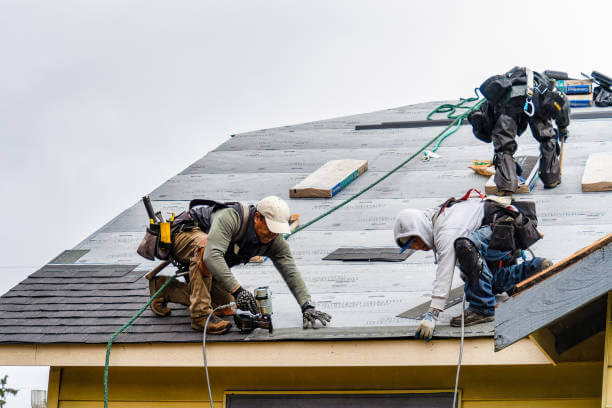
Labor is where the biggest cost variations appear. Crews in high-cost-of-living regions charge 30 to 40 percent more than their counterparts in the same region.
Material costs by roof type
The shingles you choose are the single biggest variable in your material cost. Here's what different materials typically run per square installed:
Asphalt (3-tab, basic): $280 to $400 per square
Asphalt (architectural / dimensional): $380 to $550 per square
Metal (standing seam): $700 to $1,400 per square
Tile / clay: $800 to $1,800 per square
Wood shake: $600 to $900 per square
Architectural asphalt is by far the most common choice in North America. It's durable, widely available, and the most contractors are experienced with it. Most estimates you'll receive will default to this material unless you specify otherwise.
What makes the price go up
Roof pitch. Steeper roofs require more safety equipment, slower work, and sometimes specialized crews. A 6/12 pitch (moderately steep) costs more than a low-slope roof. Anything above 8/12 often carries a steep-pitch surcharge.
Multiple stories. Height changes everything. A two-story home with the same square footage as a one-story home costs more to roof because of access, materials handling, and safety requirements.
Complexity. Every valley, hip, dormer, and chimney adds time and materials. A simple gable roof costs less than one with four dormers and a skylight.
Number of layers. If you have two layers of existing shingles, both need to come off before the new roof goes on. Most codes require it. That's extra labor and disposal cost.
Regional labor rates
Labor costs vary more than most homeowners expect. A full replacement that costs $11,000 in Dallas might run $16,000 in Boston or $18,000 in Seattle. Regional licensing requirements, cost of living, and demand all play into this.
When comparing quotes, compare contractors in your own market. Don't benchmark against national averages — they won't reflect your reality.
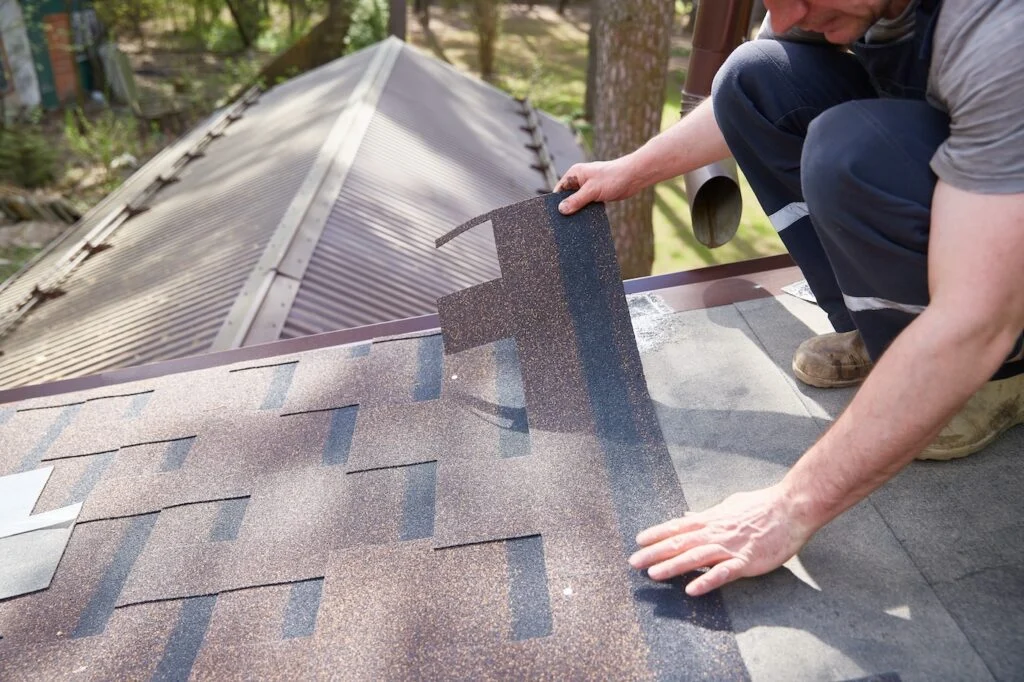
Architectural shingles are the most common residential choice. They run 25 to 30 years with proper installation and maintenance.
What's often not in the estimate
Two items that can surprise homeowners after the job starts.
Decking repairs. Once the old shingles come off, the contractor will inspect the wood decking underneath. Rotted or damaged boards need replacing before anything goes back on. This isn't optional and can't be determined until tear-off. Most contractors price it separately at $2 to $5 per square foot.
Permits. Some estimates include the permit fee. Others don't. Permits typically run $150 to $500 depending on your municipality. Ask upfront whether permits are included and who pulls them.
Red flags in a low quote
If one quote is significantly lower than the others, ask why. Common reasons: unlicensed crew, no workers' comp insurance, lower-grade materials than specified, skipping ice and water shield, or cutting corners on cleanup. Each of these saves the contractor money in the short term and costs you more later.
A competitive quote is one thing. A quote that's $3,000 below every other bid is something to dig into.
The most honest thing we can tell you about pricing
Get three quotes from licensed, insured contractors. Compare the material specs line by line, not just the totals. Ask what happens if rotted decking is found. And read the estimate carefully before signing anything.
If you want a faster path to a fair quote, Ralph can match you with one pre-screened local contractor. No bidding war, no pressure, no inbox full of follow-up calls.