The five things that determine your timeline
Roof size is the obvious one. But pitch, complexity, crew size, and weather matter just as much — sometimes more.
Pitch. Steeper roofs take longer because the crew works slower for safety. Extra equipment gets involved. A 4/12 pitch moves faster than an 8/12 or higher.
Complexity. Multiple valleys, dormers, skylights, chimneys, and intersecting slopes all add time. Every flashing point requires careful work. A simple gable roof is the fastest; a hip roof with four dormer windows is not.
Layers being removed. If there are two layers of existing shingles, both come off before anything new goes on. That's more tear-off time, more debris, more disposal. The job takes longer and costs more.
Crew size. A full crew of six to eight people works substantially faster than a two-person operation. Ask how many people will be on-site when getting quotes. A small crew on a large roof means more days.
Weather. This is the variable nobody controls. Rain, high wind, and extreme heat all stop or slow roofing work. It's common for a two-day job to take three because of weather.
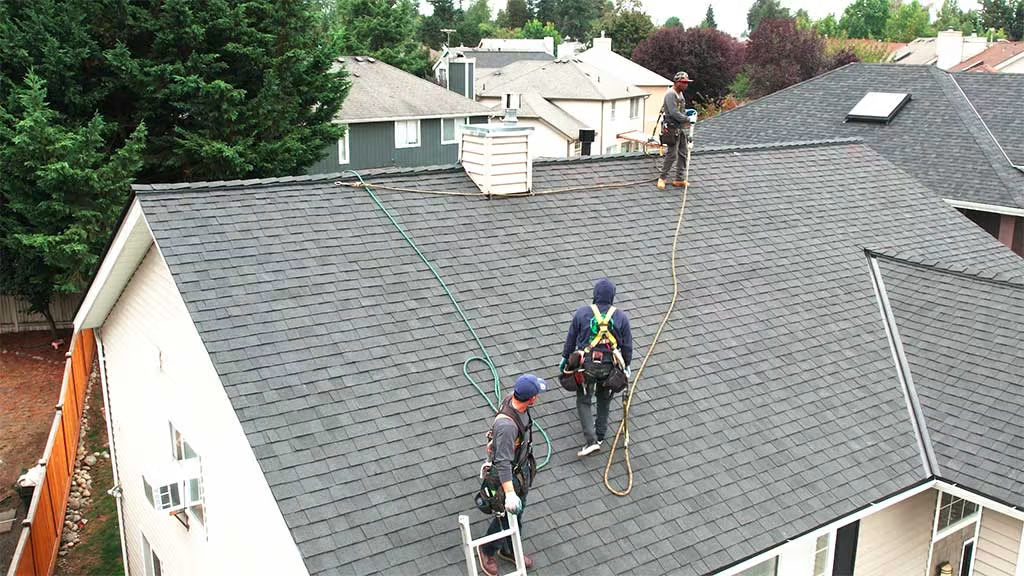
A full crew on a typical home can complete tear-off and installation in a single day. Weather is the most common reason jobs stretch to two days or more.
How the day actually unfolds
The crew typically arrives between 7 and 8am. First things first — they set up the dumpster or trailer, stage the materials, and protect your yard, garden beds, and siding with tarps. Then tear-off begins.
Tear-off is the loudest part of the day. Old shingles come off in sections and go directly into the dumpster. For a typical home, this takes two to four hours with a full crew. Once the shingles are off, the decking gets inspected. Any soft, rotted, or damaged boards get flagged and replaced.
After decking, the crew installs ice and water shield along the eaves, valleys, and around any roof penetrations. Then synthetic underlayment goes across the full surface. Then the new shingles go on, working from the bottom up. Ridge cap is the final step.
What decking repairs mean for timing. If rotted boards are found once the old shingles come off, replacing them adds a few hours to the job. It's structural work that can't be skipped. Your contractor should let you know the cost before proceeding, but it's rarely a reason to stop the project.
Preparing your home before the crew arrives
Move your cars out of the driveway the night before. The crew needs room for their truck, trailer, and a dumpster. Falling debris can also damage vehicles left nearby.
Take down anything hanging on garage walls or near exterior walls — the vibration from nail guns is real and things fall. If you have pets, keep them inside or away from the yard. The noise level is significant and the perimeter won't be safe during work hours.
If you work from home, be aware that it's genuinely loud — think jackhammer level intermittently from 7am to 5pm. Plan accordingly.
Cleanup and what to check before the crew leaves
A professional crew does a magnetic walk of the yard at the end of the job to collect nails. This is standard practice. Don't skip asking for it. Check the driveway, the lawn, and anywhere the crew walked with materials.
Do a walk of the perimeter with the crew foreman before they leave. Look at the ridge cap, the flashing around any chimneys or vents, and the gutters. Check that nothing was left behind. Ask for any permit inspection paperwork if permits were required.
After the job is done
Register the manufacturer warranty. Your contractor should provide the documentation — this step is often skipped but matters if you ever need to make a warranty claim. File everything together — permit, warranty, estimate, final invoice — somewhere you'll find it when you sell the house.
And do a quick visual from the ground a few days later. After the first real rain, take a look inside your attic to confirm nothing is getting through. It almost never does after a proper installation, but it's worth knowing early if there's an issue.