What to look for from the ground
You don't need to climb up. A slow walk around the perimeter with a pair of binoculars or a phone camera tells you a lot. Look for shingles that are curling at the edges or corners. Missing shingles are obvious, but small ones get missed. Darker patches on the roof surface can indicate areas where granules have worn off, exposing the underlying material.
Pay attention to the ridge line — the peak that runs across the top of the roof. A ridge that isn't perfectly straight can be a sign of structural movement underneath. Sagging anywhere along a slope is a more serious signal that warrants a professional look.
Look inside your attic
This step gets skipped most of the time, but it's one of the most informative. On a bright day, go into your attic and turn off all the lights. If you can see daylight coming through roof boards, you have a problem. Even a pinhole is significant.
Also look for staining or discoloration on the wood framing and sheathing. Fresh stains are darker; old ones are typically grey or brown. Either way, they indicate water has been getting in. A persistent musty smell after rain is also worth investigating — it often means moisture is sitting somewhere it shouldn't be.
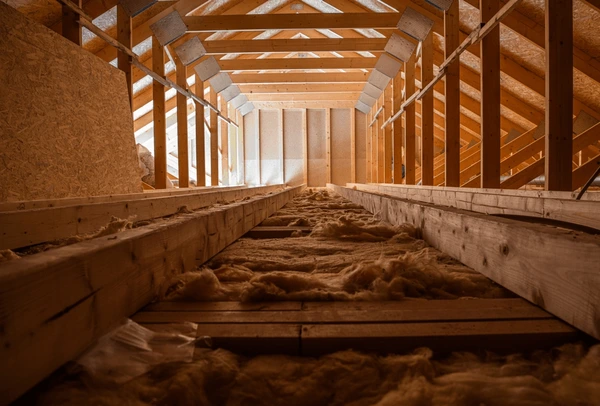
A flashlight inspection of your attic after a heavy rain is one of the easiest ways to catch early water infiltration before it becomes a bigger problem.
Granule loss in your gutters
Asphalt shingles shed granules throughout their life — that's normal. But the rate matters. When you clean your gutters, notice how much granule material is in there. A small amount is typical. A significant buildup, or shingle surfaces that look smooth, patchy, or bald in spots, indicates the material is breaking down. Granules protect the asphalt from UV damage. Once they're gone, the shingles degrade quickly.
After any significant storm
Don't wait for a visible ceiling stain before checking the roof. Walk around within a day or two after a hailstorm, high winds, or a major rain event. Hail leaves small circular indentations or bruise-like marks on shingles — they're not always obvious, but they compromise the surface. Wind can lift shingle tabs, sometimes without fully dislodging them. Tree debris can scrape off protective coatings even if it doesn't punch through.
If you had a named storm or a weather event that affected your neighborhood, it's worth a visual check. Damage found soon after a storm is a legitimate insurance claim. Damage found two years later is less clear-cut.
Check twice a year. Spring and fall are the best times for a routine roof walkthrough. Spring catches any damage from winter. Fall identifies anything that needs addressing before the cold and wet season hits.
Flashing and seals
Flashing is the metal or sealant material around chimneys, vents, skylights, and any spot where two roof planes meet. It's the most common source of leaks that aren't caused by shingle damage. Look for flashing that has pulled away from the surface, sections that are rusting, or sealant that has cracked and shrunk. These are easy and cheap to fix when caught early.
When to call a professional
Call a roofer any time you see active damage, sagging, or anything that looks structural. Also call if you find water staining in your attic that you can't explain. You don't need a major problem to get a professional set of eyes on your roof.
Most reputable contractors will do a visual inspection at no charge and give you an honest read on what they find. Some charge $150 to $350 for a formal written report with photos — which is worth it if you're buying or selling, or if you need documentation for an insurance claim.
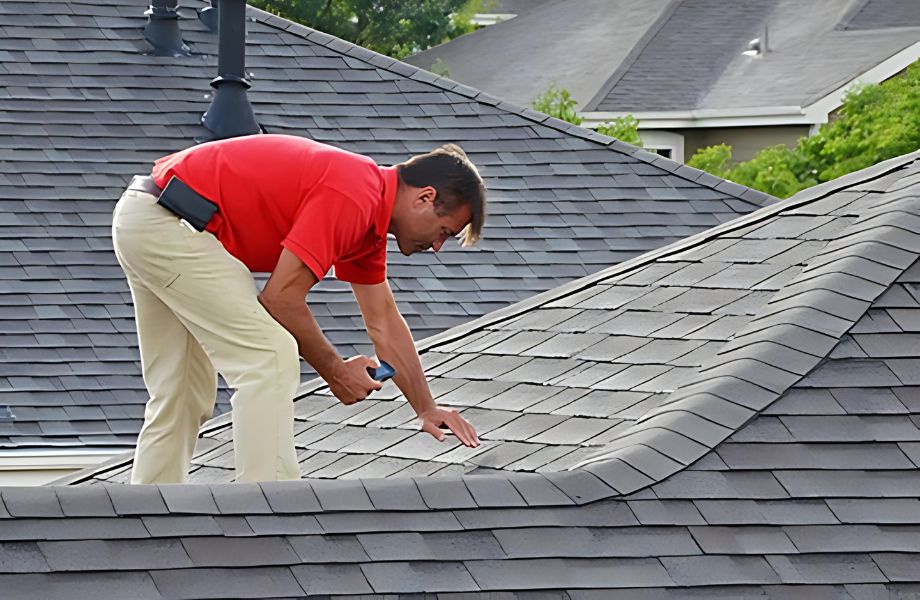
A written inspection report with photos is useful documentation whether you're making a repair decision or filing an insurance claim.
What a good inspection includes
A professional inspection should document specific findings with photos, give you a written summary of the condition, and provide options — not just a pitch. A contractor who pushes hard for immediate replacement on a roof with localized damage is worth getting a second opinion on. The honest ones show you what they found and let you decide.